The 2nd IMDEA Water Scientific Symposium showcases the latest advances in water research
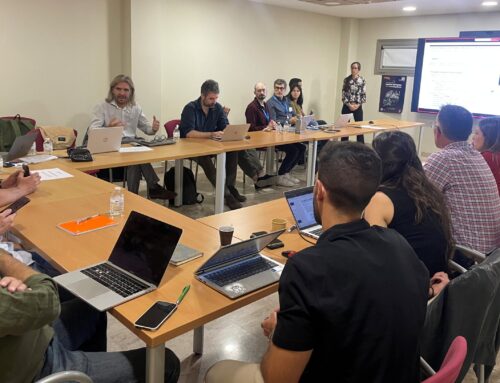
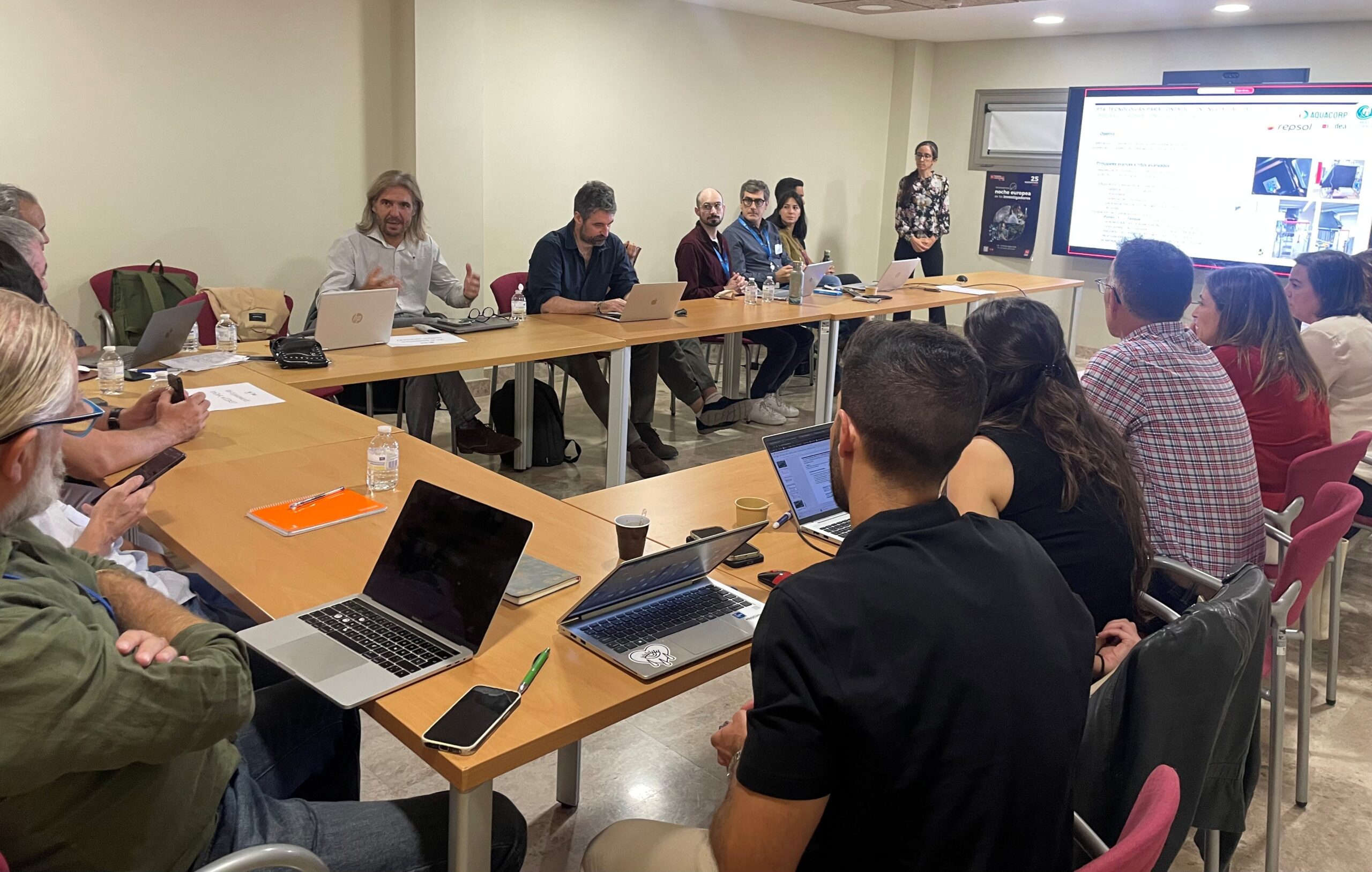
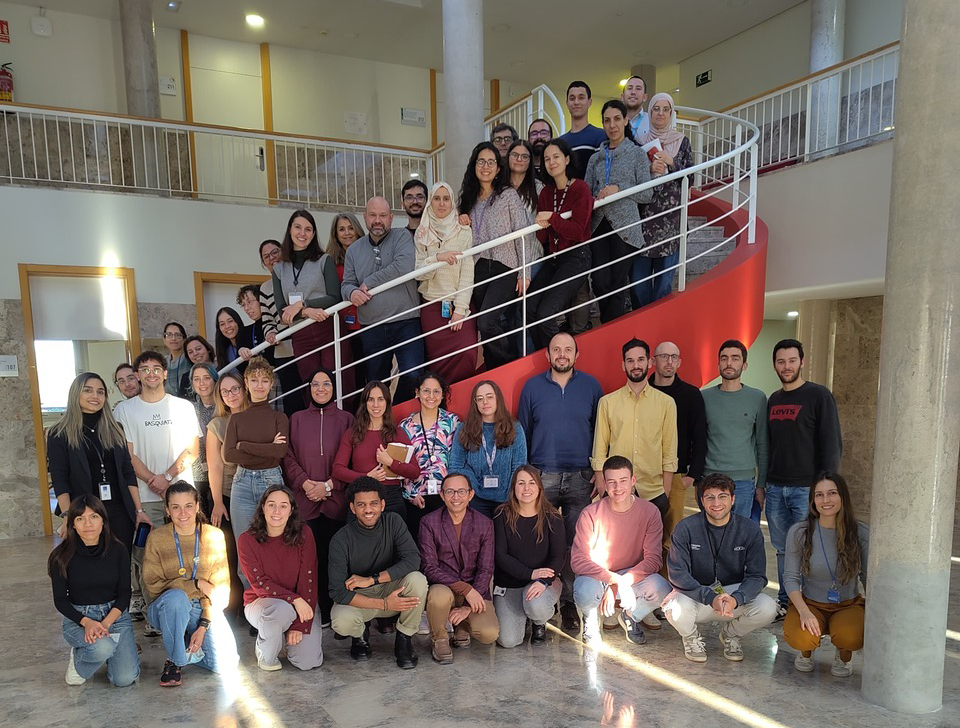 The IMDEA Water Institute held its 2nd Scientific Symposium on 11 December, bringing together its research community to present recent advances and strengthen internal collaboration in addressing major challenges related to water and the environment.
Organised into five thematic sessions, the event saw wide participation from the Institute’s research staff and covered work on aquatic ecology, water economics, soil quality, membrane technologies, electromicrobiology, water reuse and advanced monitoring.
The opening session focused on emerging environmental impacts, with presentations on the effects of microplastics from tyre wear and de-icing salts in high-mountain ecosystems, cyanotoxin removal through bacterial bioaugmentation, hydro-economic modelling for drought management, and cyanotoxin bioremediation under different environmental gradients.
The second session addressed key issues at the water–soil–agriculture interface, including microplastic and additive emissions in agricultural environments, interoperability between hydrological and economic models, the presence of antibiotic-resistant bacteria in unplanned water reuse systems, and the influence of land-use data selection on agro-economic modelling.
The third session examined research on the development of ultrafiltration membranes made from recycled polymers, the analysis of bioelectrochemical systems for energy production and waste valorisation, and the potential use of construction and demolition waste as soil amendments.
Advanced wastewater management
The afternoon session presented studies on interactions between micro- and nanoplastics and antibiotic-resistant bacteria, the behaviour of plastic particles in membrane bioreactors, and the pre-pilot validation of a microbial desalination system to produce regenerated water.
The symposium concluded with advances in analytical techniques, including developments in microbial biosensors, new methods to identify chemical additives in microplastics, and 3D-printed anodes that enhance biosensor performance for water monitoring.