Applied aquatic ecology
The Applied Aquatic Ecology (AQUAE) group focuses on:
- Assessing the impacts of environmental stressors on aquatic and terrestrial ecosystems across different trophic levels (from microbial communities to higher organisms).
- Evaluating the ecological risks posed by these stressors.
- Developing nature-based technologies to mitigate their effects.
Specifically, the group currently develops research activities in four main areas:
- Ecological risk assessment of environmental stressors affecting aquatic and terrestrial ecosystems (e.g., microplastics, additives, and salts derived from winter de-icing agents).
- Microbial ecology of aquatic and terrestrial ecosystems, with a focus on the detection and mitigation of cyanobacterial blooms and cyanotoxins through nature-based solutions (e.g., bioaugmentation).
- Assessment of the impacts of aquatic stressors on terrestrial biodiversity (e.g., aquatic-to-terrestrial insect emergence and pollinator insects) and the ecosystem services they provide (e.g., pollination, food production, crop pest control, and nutrient transfer).
- Research of the effects of pollutants (pesticides, antibiotics, and biocides) on microorganisms in aquatic environments, including the development of antibiotic resistance.
Established and successful research lines (continuing)
- Ecological risk assessment of environmental stressors affecting aquatic and terrestrial ecosystems (e.g., microplastics, additives, and salts derived from winter de-icing agents).
- Microbial ecology of aquatic and terrestrial ecosystems, with particular emphasis on the detection and mitigation of cyanobacterial blooms and cyanotoxins through nature-based solutions.
Emerging Research Lines
- Impacts of aquatic environmental stressors on terrestrial biodiversity, including aquatic–terrestrial linkages (e.g., emergence of aquatic insects) and their effects on key organisms such as pollinators, as well as on ecosystem services including pollination, food production, biological pest control, and nutrient transfer.
- Assessment of the effects of emerging and conventional contaminants (pesticides, antibiotics, biocides, and other compounds of environmental concern) on microbial communities in aquatic ecosystems, including the study of mechanisms driving the selection and spread of antibiotic resistance.
- Development and application of sublethal biomarkers to evaluate the physiological, biochemical, and molecular responses of organisms to multiple environmental stressors, including pollution and climate change, with the aim of detecting early effects and improving ecological risk assessment.
In 2015, the United Nations adopted the 2030 Agenda for Sustainable Development. This Agenda has 17 Sustainable Development Goals, adopted by all UN Member States, which are a universal call to action to end poverty, protect the planet and improve the lives and prospects of everyone, everywhere.
The research carried out by the group contributes to achieving the following Sustainable Development Goals:



Research team
Dr. Mariana Vellosa Capparelli
Researcher

D. Mª Ángeles Lezcano Vega
Researcher
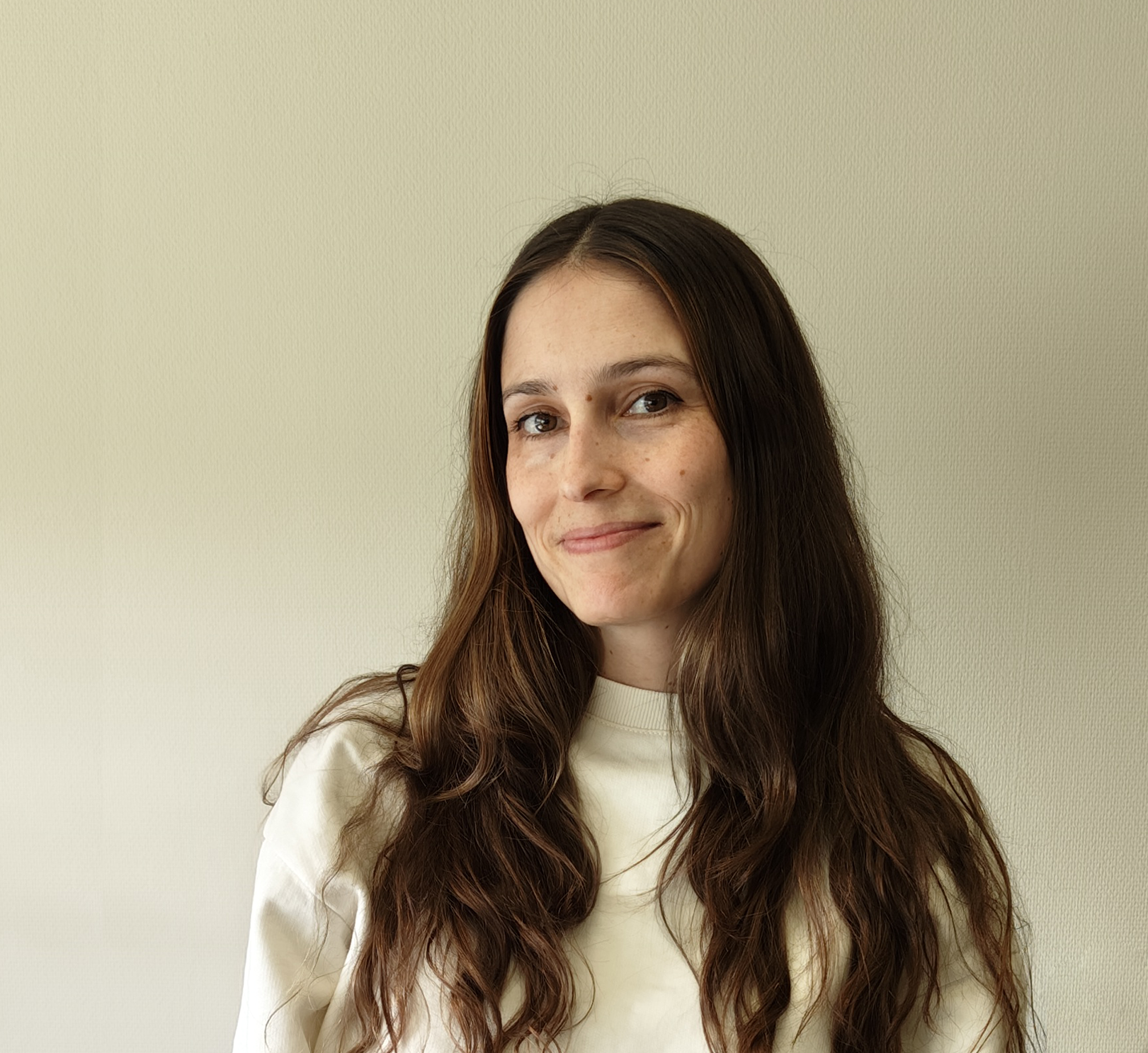
D. Paula Elisa Redondo Hasselerharm
Researcher

Marco Vighi
Expert researcher in ecotoxicology

Dr. Andreu Rico Artero
Researcher. University of Valencia
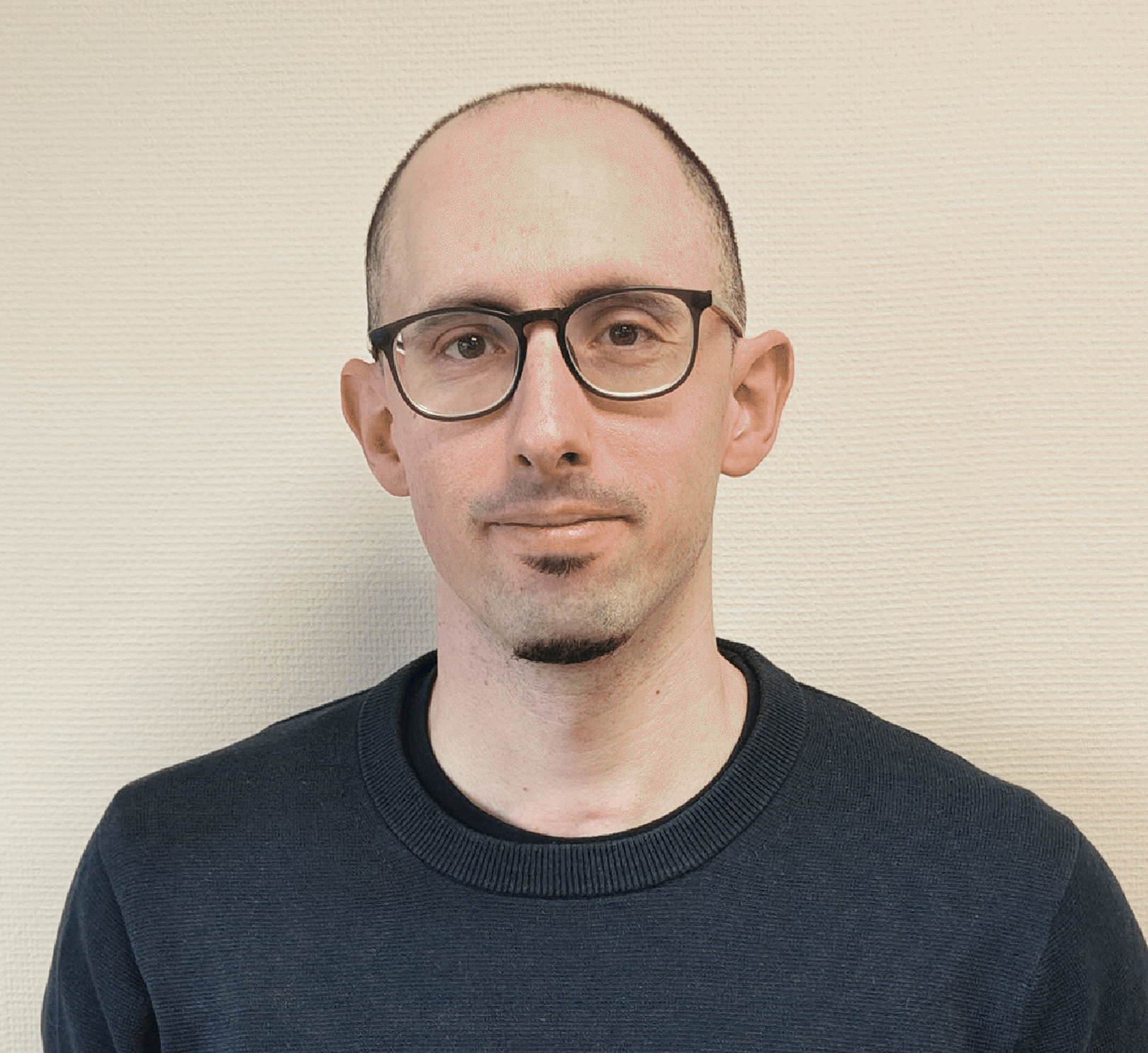
Dr. Fernando Chaguaceda Borjabad
Researcher

Lorena Martínez García
Predoctoral researcher
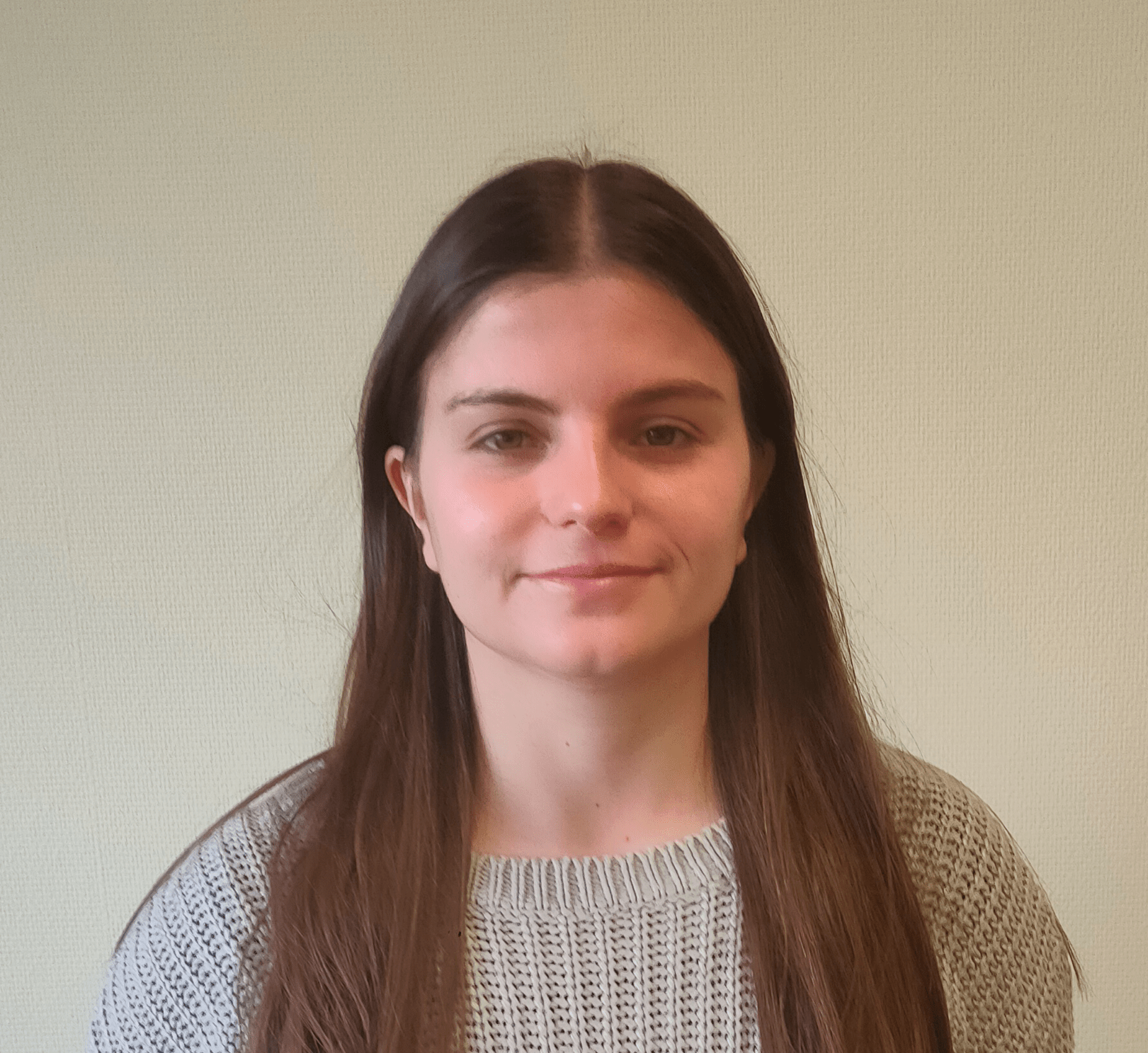
Carla Morales Pujante
Predoctoral researcher

María Ángeles Herrero Vieira
Predoctoral researcher
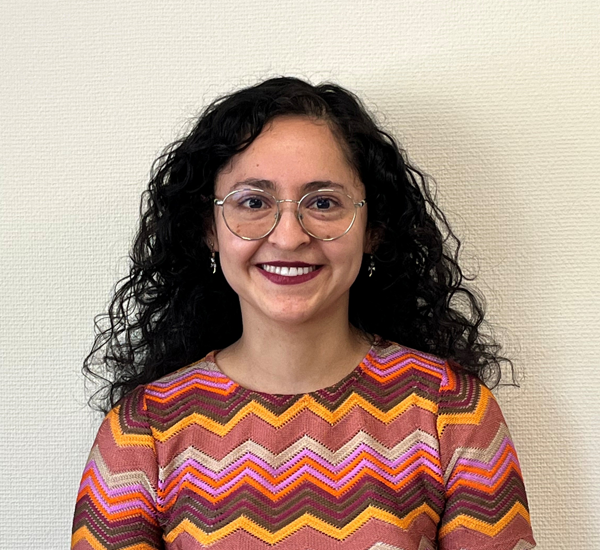
Gabriela Ágreda López
Predoctoral researcher
Álvaro Macías de la Rosa
Predoctoral researcher. Canal de Isabel II.
Esteban Sabroso de la Torre
Predoctoral researcher
Mario Márquez Toribio
Predoctoral researcher

Beatriz Gallego Fernández
Advanced research support technician
Guillermo Cabezas Torrero
Advanced research support technician
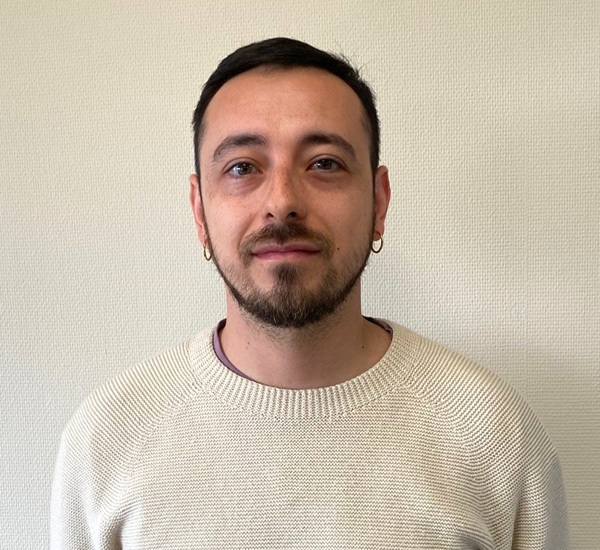
Albano Díez Chiappe
Advanced research support technician
Antonio Tornero Castejón
Predoctoral researcher
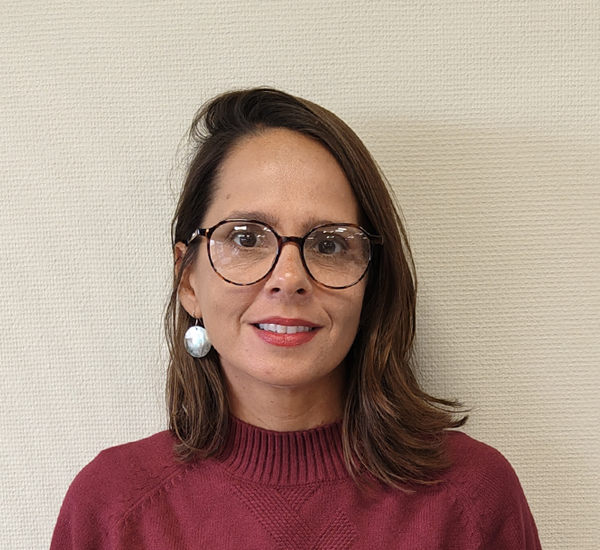
Dr. Mariana Vellosa Capparelli
Researcher
Mariana Capparelli holds a Ph.D. and M.Sc. in Sciences, with an emphasis on Comparative Biology, from the University of São Paulo (Brazil), and a degree in Biology from São Paulo State University (UNESP).
See full profile- mariana.capparelli@agua.imdea.org
- IMDEA Water. Avenida Punto Com, 2. Parque Científico Tecnológico de la Universidad de Alcalá. Alcalá de Henares. 28805 MADRID
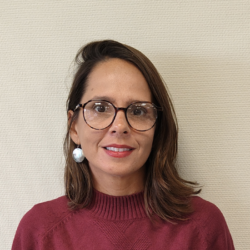
D. Mª Ángeles Lezcano Vega
Researcher
PhD in Microbiology at the Autonomous University of Madrid (UAM) (2017), European Master in Inland Water Quality Assessment at UAM and University of Mälardalen (Sweden) (2011) and degree in Environmental Sciences at UAM (2009).
- mangeles.lezcano@agua.imdea.org
- IMDEA Water. Avenida Punto Com, 2. Parque Científico Tecnológico de la Universidad de Alcalá. Alcalá de Henares. 28805 MADRID

D. Paula Elisa Redondo Hasselerharm
Researcher
She has a bachelor`s degree in Biology from the Autonomous University of Madrid and a master`s dregree in Water Quality Techniques and Sciences from University of Granada. In 2020, she obtained a PhD in Environmental Sciences at the University of Wageningen (The Netherlands), which she carried out in the Aquatic Ecology and Water Quality Management group.
- paula.redondo@agua.imdea.org
- IMDEA Water. Avenida Punto Com, 2. Parque Científico Tecnológico de la Universidad de Alcalá. Alcalá de Henares. 28805 MADRID
Marco Vighi
Expert researcher in ecotoxicology
After getting the degree in Biology in 1969, Marco Vighi worked at the Water Research Institute of the Italian National Research Council. In 1983 he was professor of Ecotoxicology at the University of Milano. In 1998 he moved to the University of Milano-Bicocca, as professor of Ecology and Applied Ecology and responsible of the Research Group on Ecotoxicology up to 2015, when he retired.
- marco.vighi@agua.imdea.org
- IMDEA Water. Avenida Punto Com, 2. Parque Científico Tecnológico de la Universidad de Alcalá. Alcalá de Henares. 28805 MADRID

Dr. Andreu Rico Artero
Researcher. University of Valencia
Andreu Rico obtained a PhD on Environmental Sciences, with specialization on aquatic ecotoxicology, from the University of Wageningen (the Netherlands). In 2015 he joined the Ecotoxicology group of the IMDEA Water Institute, where he is now an associate researcher. His work aims at assessing and understanding the risks posed by different emerging contaminants (pesticides, pharmaceuticals, microplastics) on aquatic ecosystems.
See full profile- andreu.rico@agua.imdea.org
- IMDEA Water. Avenida Punto Com, 2. Parque Científico Tecnológico de la Universidad de Alcalá. Alcalá de Henares. 28805 MADRID

Dr. Fernando Chaguaceda Borjabad
Researcher
PhD in Biology with specialization in Limnology at Uppsala University (2015-2020), where he studied the functioning of aquatic food webs and the bioaccumulation of essential biomolecules in response to environmental changes.
- fernando.chaguaceda@agua.imdea.org
- IMDEA Water. Avenida Punto Com, 2. Parque Científico Tecnológico de la Universidad de Alcalá. Alcalá de Henares. 28805 MADRID
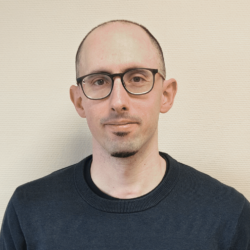
Lorena Martínez García
Predoctoral researcher
Graduated in Biology from the University of Santiago de Compostela (2018) and Master´s degree in Biotechnology from the Autonomous University of Madrid (2019).
- lorena.martinez@agua.imdea.org
- IMDEA Water. Avenida Punto Com, 2. Parque Científico Tecnológico de la Universidad de Alcalá. Alcalá de Henares. 28805 MADRID

Carla Morales Pujante
Predoctoral researcher
Graduated in Marine Sciences from the University of Alicante (2021) and holding a Master’s degree in Environmental Contamination, Toxicology, and Health from the University of Valencia (2023).
- carla.morales@agua.imdea.org
- IMDEA Water. Avenida Punto Com, 2. Parque Científico Tecnológico de la Universidad de Alcalá. Alcalá de Henares. 28805 MADRID
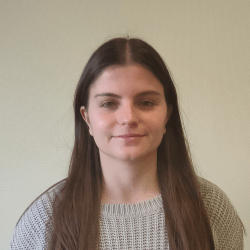
María Ángeles Herrero Vieira
Predoctoral researcher
She is graduated in Biology by the Universidad Autónoma of Madrid (2021) and in Industrial and Environmental Biotechnology master’s from the Universidad Complutense of Madrid (2024).
- mangeles.herrero@agua.imdea.org
- IMDEA Water. Avenida Punto Com, 2. Parque Científico Tecnológico de la Universidad de Alcalá. Alcalá de Henares. 28805 MADRID
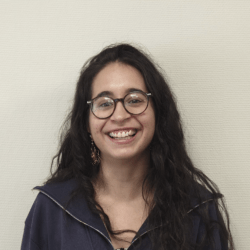
Gabriela Ágreda López
Predoctoral researcher
Biologist from Universidad Nacional de Colombia and Master of Science (biology) from Uppsala University (Sweden).
- gabriela.agreda@agua.imdea.org
- IMDEA Water. Avenida Punto Com, 2. Parque Científico Tecnológico de la Universidad de Alcalá. Alcalá de Henares. 28805 MADRID
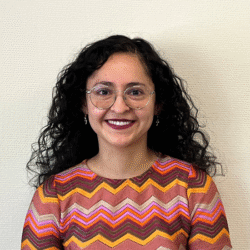
Álvaro Macías de la Rosa
Predoctoral researcher. Canal de Isabel II.
Graduated in Biology from the University of Seville (2019), he completed an International Double Master in Biotechnology of Environment and Health at the University of Oviedo (Spain) and in Molecular Biology and Environmental Microbiology at the University of Pau et des Pays de l’Adour (France) (2022).
- alvaro.macias@agua.imdea.org
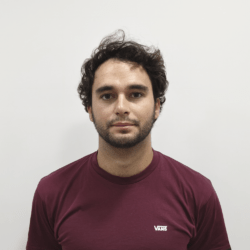
Esteban Sabroso de la Torre
Predoctoral researcher
Graduate in Environmental Sciences from the University of Alcalá (2023) and a Master’s degree in microbiology from the Autonomous University of Madrid (2024).
- esteban.sabroso@agua.imdea.org
- IMDEA Water. Avenida Punto Com, 2. Alcalá de Henares. 28805 MADRID
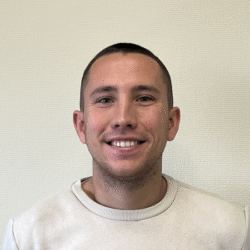
Mario Márquez Toribio
Predoctoral researcher
Graduated in Biology by the Autonomous University of Madrid, Mario studied courses of the environmental itinerary during his studies such as applied zoology, geobotany or aquatic systems.
- mario.marquez@agua.imdea.org
- IMDEA Water. Avenida Punto Com, 2. Alcalá de Henares. 28805 MADRID
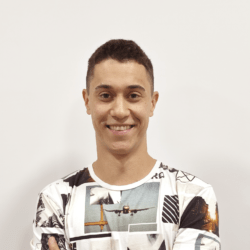
Beatriz Gallego Fernández
Advanced research support technician
Graduated in Biology from the University of Salamanca (2012-2016) and with a master degree in Environmental Microbiology from Radboud University (The Netherlands, 2017-2019), where she participated in projects on climate effect on methanotrophs in arctic environments and development of microbial batteries with methanotrophic archaea.
- beatriz.gallego@agua.imdea.org
- IMDEA Water. Avenida Punto Com, 2. Parque Científico Tecnológico de la Universidad de Alcalá. Alcalá de Henares. 28805 MADRID
Guillermo Cabezas Torrero
Advanced research support technician
Degree in Biology (2007-2012) from the University of Salamanca, Master’s degree in Biology and Biodiversity Conservation (2014-2015) from the University of Salamanca, and PhD in Biology.
- guillermo.cabezas@agua.imdea.org
- IMDEA Water. Avenida Punto Com, 2. Parque Científico Tecnológico de la Universidad de Alcalá. Alcalá de Henares. 28805 MADRID
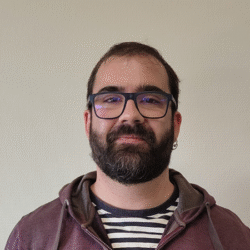
Albano Díez Chiappe
Advanced research support technician
- albano.diez@agua.imdea.org
- IMDEA Water. Avenida Punto Com, 2. Parque Científico Tecnológico de la Universidad de Alcalá. Alcalá de Henares. 28805 MADRID
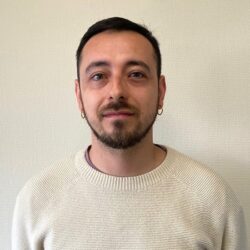
Antonio Tornero Castejón
Predoctoral researcher
Graduate with a degree in Biology by the University of Alcalá (2023) and a Master’s degree in Microbiology by the Autonomous University of Madrid (2024).
- antonio.tornero@agua.imdea.org
- IMDEA Water. Avenida Punto Com, 2. Parque Científico Tecnológico de la Universidad de Alcalá. Alcalá de Henares. 28805 MADRID